














Helping Your Toddler Manage Big Emotions
April 6, 2026
The first year of parenthood is considered by many to be the hardest. Between physical recovery, round-the-clock care of an infant, and severe sleep deprivation, those first months are as brutal as it gets. Just as soon as you settle into a routine, it seems like something new is just around the corner to shake up your fragile state of peace. Sleep regressions, developmental leaps, teething, illness—the list goes on and on. Before you know it, you’ve graduated from parenting an infant and now you’re navigating a whole new world: toddlerhood.
Raising toddlers can be a magical experience. Toddlers are curious, imaginative, and learning at a breathtaking pace every day. Their joy is contagious and they view the world with so much wonderment, that you begin to see magic in the mundane too. But, nothing is without its challenges, and one of the most trying parts of raising a toddler is navigating the ups and downs of their emotional impulses.

From 1 to 3 years old, your toddler experiences intense emotions that may manifest as tantrums and aggression. Big feelings are a natural and inevitable part of childhood because your child doesn’t yet have the words to express their emotions, and is still learning patience and emotional regulation. Here are some ways that you can help them navigate these big emotions, so that both of you can stay calm and decrease frustration.
Name the feeling
Normalize emotions and help your child identify their feelings by modeling it yourself. Say, “I’m feeling so happy we’re at the park!” or “I’m feeling frustrated that I spilled my water.”
When your toddler is experiencing strong emotions, stay calm and give them the words by saying, “You’re feeling mad because we had to leave the park.”
If your child is not receptive to having their emotions labeled, stick to naming your own emotions and try implementing the tactic during story time instead. “Oh, she’s feeling mad because her brother broke her toy!”
Create a calming space
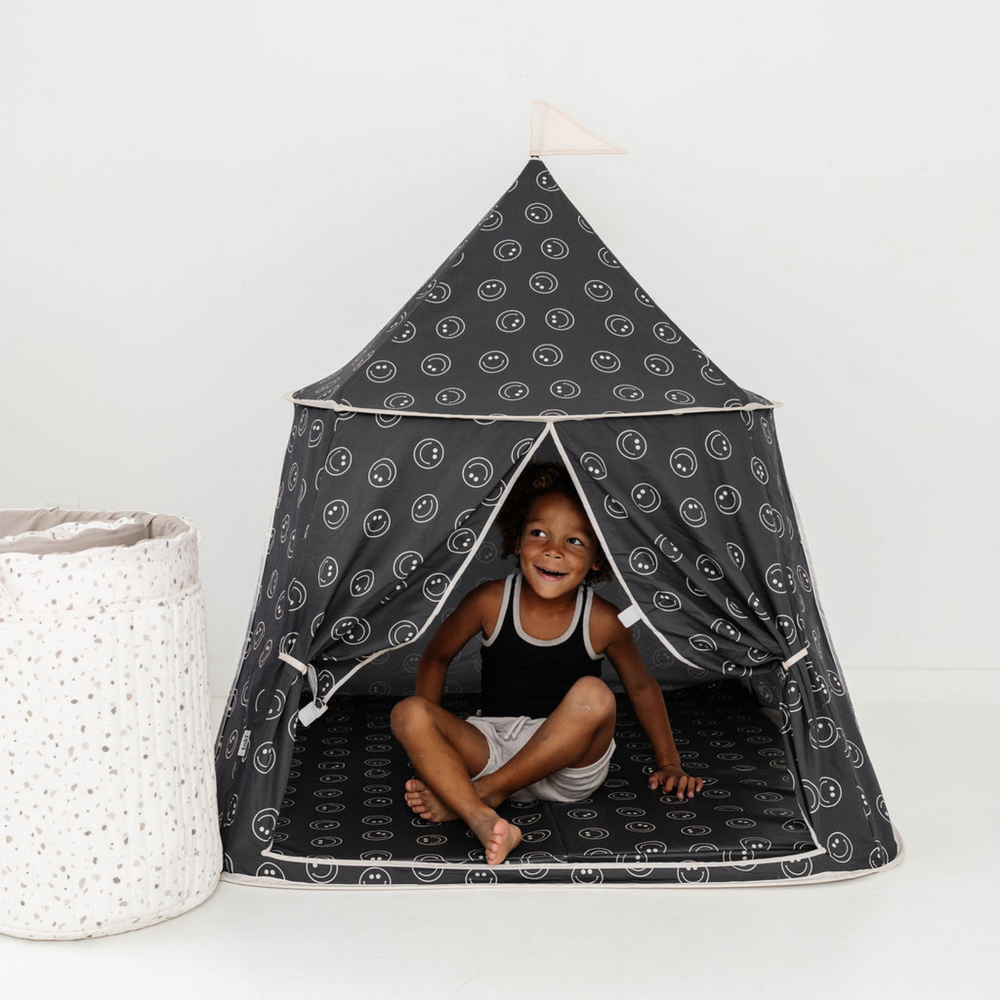
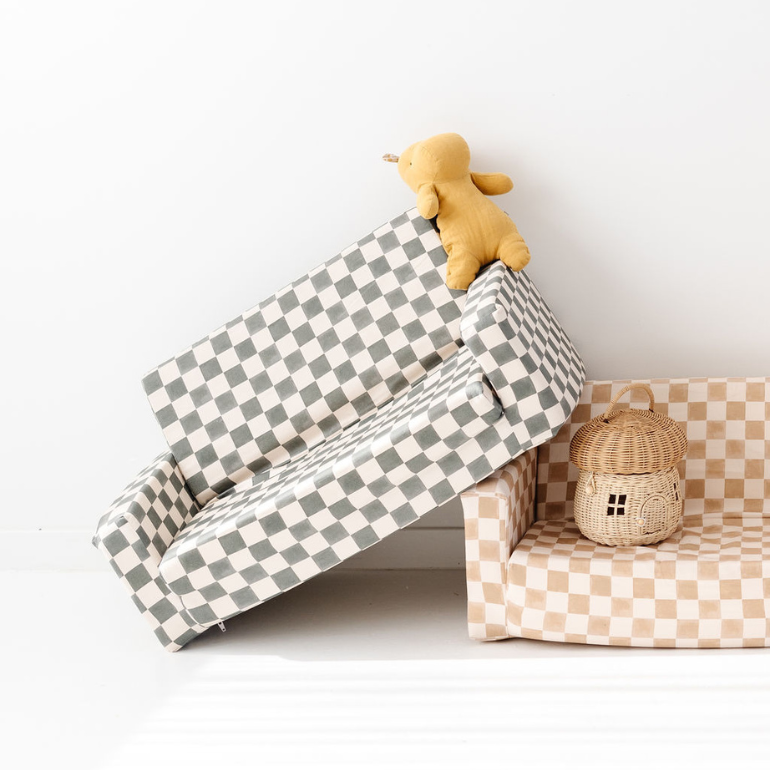
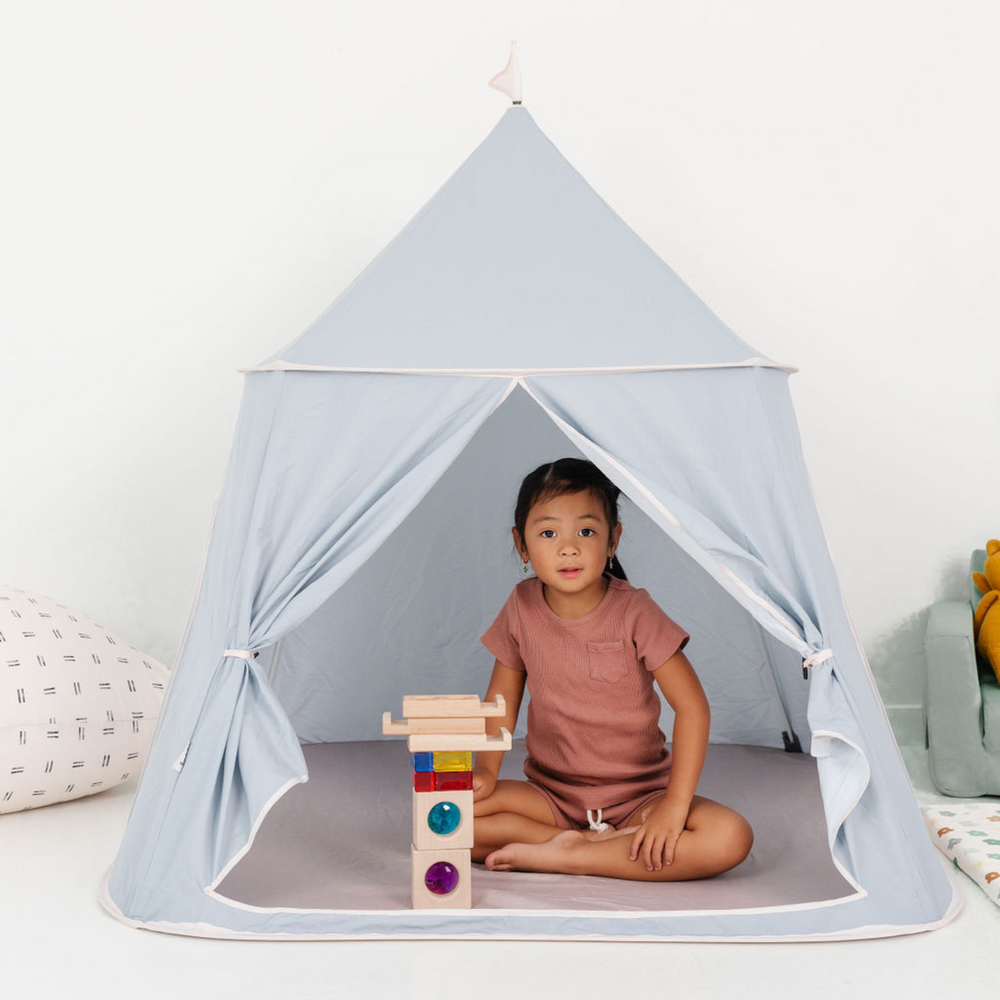
A calm down corner is a great way to give your child the space and tools to practice self-regulation. An enclosed space, like the Toki Play Tent, can be helpful for some children who feel more secure in a hideaway. Other children may enjoy something as simple as a play couch by their bookshelf for a calming nook. Whether their space is as small as a cozy seat or as big as an entire room, a calm down corner is a designated space they can learn to go to when they are feeling big emotions.
It’s important to note that a calm down corner should be used as a safe space, not as a punishment or a time-out. Over time, your little one will seek the space out for themselves when they’re feeling overwhelmed. To learn how to effectively create a calm down corner, you can read our blog with expert Anastasia Ronczka, M.Ed.
Product suggestion: Toki Kids Play Tent

This play tent is easy to set up and even easier to store. The pop-up design is perfect for small rooms, while little ones love having a space of their own. A home away from home, if you will.
Practice mindfulness
Breathing exercises are a highly effective way to regulate emotions for people of all ages. Teach your toddler how to take deep breaths and ground themselves by implementing kid-friendly yoga flows into their daily routine.
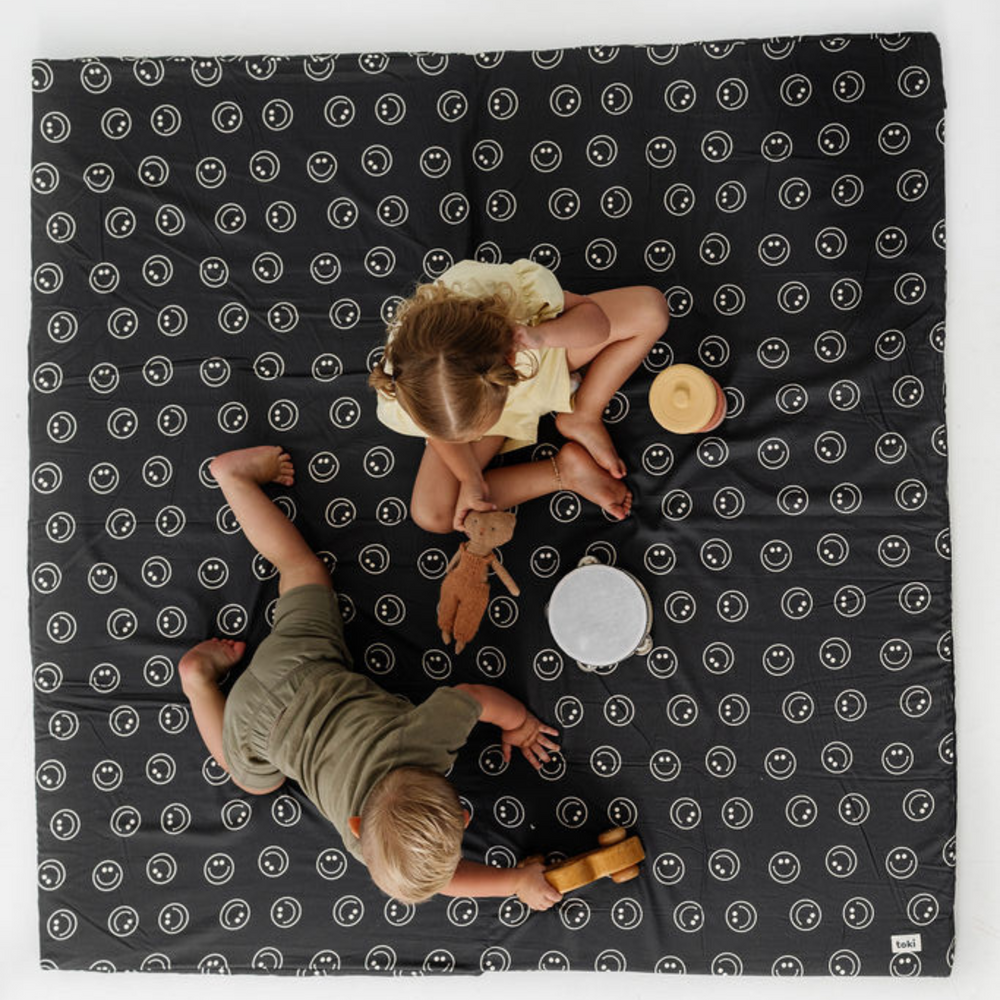
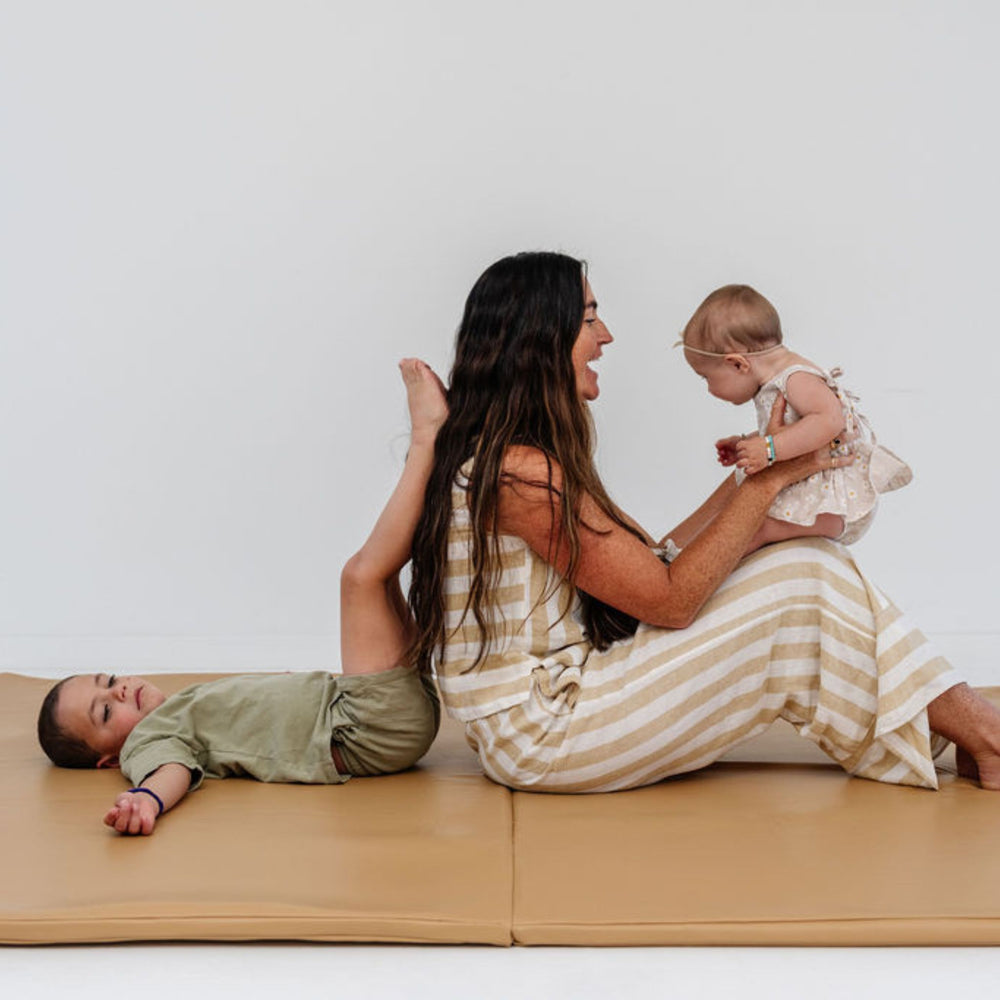
Set your little one up on a soft, comfortable space, like their Toki mat, and practice fun poses and mindful breathing. Child’s pose, butterfly pose, cat-cow pose, and tree pose are all easy, toddler-friendly yoga poses that can help your child release tension, have fun, and begin moving with intention! You can read all about the benefits of yoga for young children on our blog with expert Gali Levi-McClure.


Shop the blog
Smiles Play Tent
$95 - $95
An easy-to-assemble, easy-to-store pop-up tent that’s home base for your child’s fantastic adventures.
Shop Now
About the Author: Alice
Alice Mendoza is a copywriter and blog writer based in Los Angeles. She began writing for a baby brand while on maternity leave, and realized she had found her niche. Today, she writes exclusively within the baby space, using her BFA in Creative Writing and her own experience as a mother to guide her. When she’s not working, you can find her chasing down her toddler, going on walks around the neighborhood, or watching reality TV.


